The video was shot in Malta and mainly features a re-enactment held at the Saluting Battery below the Upper Barakka Gardens in Valletta Malta, together with shots taken inside the Lascaris War Rooms and Air Raid Shelters around Valletta. The Lascaris War Rooms consist of an underground complex of tunnels and chambers that housed the War Headquarters from where the defence of Malta was conducted during the Second World War. For more info about The Lascaris War Rooms use this link. Obviously the video also features Mario Cordina who is the lead singer and heart behind Lejla Maltija. The Video is an A.M.P. production for Lejla Maltija. The track is an Anidroc Production for Lejla Maltija. Recorded at Anidroc Studios 2014. All rights reserved.
A journey through Malta's History, Tradition, Folklore and Legend through Music, Film and Food. Lejla Maltija composes and performs original music based on melodies and themes from Malta's rich cultural heritage. Lyrics are a wistful tale of Malta's glorious past and less fortunate moments in the islands' history.
Showing posts with label diski Maltin. Show all posts
Wednesday, 1 October 2014
Is-Sirena Video for Lejla Maltija
Lejla Maltija has posted its video for Is-Sirena out on September 12th.
The video was shot in Malta and mainly features a re-enactment held at the Saluting Battery below the Upper Barakka Gardens in Valletta Malta, together with shots taken inside the Lascaris War Rooms and Air Raid Shelters around Valletta. The Lascaris War Rooms consist of an underground complex of tunnels and chambers that housed the War Headquarters from where the defence of Malta was conducted during the Second World War. For more info about The Lascaris War Rooms use this link. Obviously the video also features Mario Cordina who is the lead singer and heart behind Lejla Maltija. The Video is an A.M.P. production for Lejla Maltija. The track is an Anidroc Production for Lejla Maltija. Recorded at Anidroc Studios 2014. All rights reserved.
Labels:
Anidroc,
Barrakka Gardens,
diski Maltin,
Gwerra,
Hitler,
Lascaris,
Lascaris War Rooms,
Lejla Maltija,
Malta,
Mario Cordina,
Operation Husky,
Valletta,
WW11
Location:
Valletta, Malta
Monday, 8 September 2014
L'Aħħar Sajda by Lejla Maltija
Lejla Maltija has released l'Aħħar Sajda today 8th September 2014.
The track was recorded at Anidroc Studios and the video for the song was produced by Anidroc Film for Lejla Maltija. This is an A.M.P. production. All rights reserved.
Below is some information about the track, the story behind it, the lyrics, and the track itself on sound cloud. Finally there is information and pictures about the making and filming of the video and the video itself.
L’Aħħar Sajda
Lejla Maltija
Kliem (lyrics) : Mario Cordina
Għajnejn il-luzzu lemħu fil-baħar,
Il-konżijiet lesti għall-kalar,
Imma is-sajjied kollhu sabar,
Jaqra il-ħin maż-żifna tal-qamar.
The eyes of the luzzu, glimpsed on the sea (the Maltese luzzu a traditional fishing boat always is embellished with an eye on either end of the prow, a custom hailing from Malta's Phoenician and pagan past.)
The konzijiet (gill nets or seines) ready for hauling,
But the fisherman is all patience,
He reads the time in the dance of the moon.
Jaf li bil-lejl tiċċassa il-lampuka,
Araħ irejjex mal-kanniżżata.
Hekk kif titkala ix-xibka,
Il-kurtuni jintlew xalata.
He knows that the lampuka (dolphin fish) stares at night, (is less lively at night.)
See him feathering next to the kannizata, (using the feather to skim the surface. This is a method used by fishermen to lure the dolphin fish. The kannizata is a bait assembly common amongst Maltese fishermen.)
As soon as the net is pulled up,
See the kurtuni fill up with the feast. (The kurtuni are special wooden canals built both to support the hull and to hold the fish.)
Terġa tkala u terfa,
Il-ħut jaqbeż, jaqbeż, jitfarfar.
Itfa ix-xibka u irranġa,
Il-ħut jaqbeż, jaqbeż, jitfarfar.
Imma kollox għalxejn.
Once again you haul and you lift,
The fish jumps, jumps and wriggles.
Throw back the net and arrange it properly.
The fish jumps, jumps and wriggles.
But it all is in vain.
Tela il-mewġ, jonfoħ ir-riħ,
Il-luzzu sabet il-qiegħ.
L-aħħar sajda misset ix-xiħ,
Fl’ aħħar is-sajjied sab il-mistrieħ.
L’aħħar sajda, l’ahhar sajda,
Fl’ aħħar is-sajjied sab il-mistrieħ.
The waves rose, the wind blew,
The luzzu found the bottom (of the sea)
The fisherman found his fate on this last fishing trip,
This last fishing trip, this last fishing trip.
At last the fisherman found peace / rest.
Qalb il-paġell, il-gambli u iċ-ċeren
Id-dott u ‘l mazzola il-luzzu tistkenn.
Ħaru ix-Xlukkajri, imniktin,
Ifittxu is-sajjied li ħadhu il-bambin.
Amongst the pagell (common pandora fish), the gambli (shrimps) and ceren (dusky grouper fish)
Id-dott (grouper fish), and the mazzola (piked dogfish) the luzzu is sheltered.
The Xlukkajri (local people of Marsaxlokk), ran out in grief,
Looking for the fisherman that God (Little Jesus) had taken away.
Tela il-mewġ, jonfoħ ir-riħ,
Il-luzzu sabet il-qiegħ.
L-aħħar sajda misset ix-xiħ,
Fl’ aħħar is-sajjied sab il-mistrieħ.
L’aħħar sajda, l’ahhar sajda,
Fl’ aħħar is-sajjied sab il-mistrieħ.
The waves rose, the wind blew,
The luzzu found the bottom (of the sea)
The fisherman found his fate on this last fishing trip,
This last fishing trip, this last fishing trip.
At last the fisherman found peace / rest.
Id-dgħajsa li ħarget tfittxu,
Taqbeż, taqbeż titfarfar,
Imma kollox għalxejn.
Għalxejn.
The dghajsa (another type of Maltese boat) that went out to look for him,
It jumps and jumps and wriggles,
But it all is in vain,
In vain.
Now you can listen to L'Aħħar Sajda on the link below
The video for L'Aħħar Sajda below, is available on youtube and was filmed in Marsaxlokk Malta and the National Aquarium in Bugibba Malta by Anidroc Film for Lejla Maltija.
The track was recorded at Anidroc Studios and the video for the song was produced by Anidroc Film for Lejla Maltija. This is an A.M.P. production. All rights reserved.
Below is some information about the track, the story behind it, the lyrics, and the track itself on sound cloud. Finally there is information and pictures about the making and filming of the video and the video itself.
L'Aħħar Sajda is the classical story of the Old Man and the Sea, where the fisherman meets his fate. The title of the song means 'The Last Fishing' trip. Alas, although this is not based on a true story, it is inspired by many such accounts from the history of fishermen around the island, especially in Marsaxlokk which is Malta's largest fishing village, even to the present day. The seas around Malta are beautiful and calm, but the islanders all know that the sea has a soft belly but a hard headed stomach. 'Zaqqu ratba imma rash iebsa', so they say. Here are the lyrics with as faithful a translation as possible in English.
L’Aħħar Sajda
Lejla Maltija
Kliem (lyrics) : Mario Cordina
Għajnejn il-luzzu lemħu fil-baħar,
Il-konżijiet lesti għall-kalar,
Imma is-sajjied kollhu sabar,
Jaqra il-ħin maż-żifna tal-qamar.
The eyes of the luzzu, glimpsed on the sea (the Maltese luzzu a traditional fishing boat always is embellished with an eye on either end of the prow, a custom hailing from Malta's Phoenician and pagan past.)
The konzijiet (gill nets or seines) ready for hauling,
But the fisherman is all patience,
He reads the time in the dance of the moon.
Jaf li bil-lejl tiċċassa il-lampuka,
Araħ irejjex mal-kanniżżata.
Hekk kif titkala ix-xibka,
Il-kurtuni jintlew xalata.
He knows that the lampuka (dolphin fish) stares at night, (is less lively at night.)
See him feathering next to the kannizata, (using the feather to skim the surface. This is a method used by fishermen to lure the dolphin fish. The kannizata is a bait assembly common amongst Maltese fishermen.)
As soon as the net is pulled up,
See the kurtuni fill up with the feast. (The kurtuni are special wooden canals built both to support the hull and to hold the fish.)
Terġa tkala u terfa,
Il-ħut jaqbeż, jaqbeż, jitfarfar.
Itfa ix-xibka u irranġa,
Il-ħut jaqbeż, jaqbeż, jitfarfar.
Imma kollox għalxejn.
Once again you haul and you lift,
The fish jumps, jumps and wriggles.
Throw back the net and arrange it properly.
The fish jumps, jumps and wriggles.
But it all is in vain.
Tela il-mewġ, jonfoħ ir-riħ,
Il-luzzu sabet il-qiegħ.
L-aħħar sajda misset ix-xiħ,
Fl’ aħħar is-sajjied sab il-mistrieħ.
L’aħħar sajda, l’ahhar sajda,
Fl’ aħħar is-sajjied sab il-mistrieħ.
The waves rose, the wind blew,
The luzzu found the bottom (of the sea)
The fisherman found his fate on this last fishing trip,
This last fishing trip, this last fishing trip.
At last the fisherman found peace / rest.
Qalb il-paġell, il-gambli u iċ-ċeren
Id-dott u ‘l mazzola il-luzzu tistkenn.
Ħaru ix-Xlukkajri, imniktin,
Ifittxu is-sajjied li ħadhu il-bambin.
Amongst the pagell (common pandora fish), the gambli (shrimps) and ceren (dusky grouper fish)
Id-dott (grouper fish), and the mazzola (piked dogfish) the luzzu is sheltered.
The Xlukkajri (local people of Marsaxlokk), ran out in grief,
Looking for the fisherman that God (Little Jesus) had taken away.
Tela il-mewġ, jonfoħ ir-riħ,
Il-luzzu sabet il-qiegħ.
L-aħħar sajda misset ix-xiħ,
Fl’ aħħar is-sajjied sab il-mistrieħ.
L’aħħar sajda, l’ahhar sajda,
Fl’ aħħar is-sajjied sab il-mistrieħ.
The waves rose, the wind blew,
The luzzu found the bottom (of the sea)
The fisherman found his fate on this last fishing trip,
This last fishing trip, this last fishing trip.
At last the fisherman found peace / rest.
Id-dgħajsa li ħarget tfittxu,
Taqbeż, taqbeż titfarfar,
Imma kollox għalxejn.
Għalxejn.
The dghajsa (another type of Maltese boat) that went out to look for him,
It jumps and jumps and wriggles,
But it all is in vain,
In vain.
Now you can listen to L'Aħħar Sajda on the link below
The video for L'Aħħar Sajda below, is available on youtube and was filmed in Marsaxlokk Malta and the National Aquarium in Bugibba Malta by Anidroc Film for Lejla Maltija.
Labels:
Anidroc,
diski Maltin,
lampuki,
Lejla Maltija,
Maltese Customs,
Maltese Folklore,
Mario Cordina,
Marsaxlokk,
sajjied,
World Music
Location:
Marsaxlokk, Malta
Sunday, 22 June 2014
Lejla Maltija by Lejla Maltija
This is the official release of Lejla Maltija by Lejla Maltija
Lejla Maltija means Maltese Evening. The melody is a typical Maltese 'għana' guitar line
The track carries the name of the project and is about a wistful nostalgic Maltese man remembering his island home while living abroad. The lyrics and the translation follow.
Lejla Maltija
Din il-Lejla hekk sabiħa, din il-lejla Maltija
Il-mewġ jgħanni għanja helwa,
Taħt is-sema hekk kaħlanija,
Din il-lejla minn tfuliti,
Din il-lejla Maltija,
Hekk il-bogħod minn pajjiżi,
Ħallini niftakar ftit.
This amazing evening, this Maltese evening,
The waves chant a sweet melody,
Under such a blue blue sky.
This evening I recall from my childhood,
This Maltese evening,
So far away from my homeland,
Allow me to reminiscence a little.
Din il-lejla taħt il-qamar,
Ħafna għerf u ħafna sabar,
Is-sajjied bil-palmi u 'l-lampi,
Jittanta il-lampuki minn taħt il-baħar,
Din il-lejla minn tfuliti,
Din il-lejla Maltija,
Hekk il-bogħod minn pajjiżi,
Ħallini niftakar ftit.
This evening under the moon,
A lot of wisdom and patience,
The fisherman with plan leaves and lamps,
Trying to tempt the lampuki from beneath the sea.
This evening I recall from my childhood,
This Maltese evening,
So far away from my homeland,
Allow me to reminiscence a little.
This is the Official Video for Lejla Maltija by Lejla Maltija
Lejla Maltija means Maltese Evening. The melody is a typical Maltese 'għana' guitar line
The track carries the name of the project and is about a wistful nostalgic Maltese man remembering his island home while living abroad. The lyrics and the translation follow.
Lejla Maltija
Din il-Lejla hekk sabiħa, din il-lejla Maltija
Il-mewġ jgħanni għanja helwa,
Taħt is-sema hekk kaħlanija,
Din il-lejla minn tfuliti,
Din il-lejla Maltija,
Hekk il-bogħod minn pajjiżi,
Ħallini niftakar ftit.
This amazing evening, this Maltese evening,
The waves chant a sweet melody,
Under such a blue blue sky.
This evening I recall from my childhood,
This Maltese evening,
So far away from my homeland,
Allow me to reminiscence a little.
Din il-lejla taħt il-qamar,
Ħafna għerf u ħafna sabar,
Is-sajjied bil-palmi u 'l-lampi,
Jittanta il-lampuki minn taħt il-baħar,
Din il-lejla minn tfuliti,
Din il-lejla Maltija,
Hekk il-bogħod minn pajjiżi,
Ħallini niftakar ftit.
This evening under the moon,
A lot of wisdom and patience,
The fisherman with plan leaves and lamps,
Trying to tempt the lampuki from beneath the sea.
This evening I recall from my childhood,
This Maltese evening,
So far away from my homeland,
Allow me to reminiscence a little.
Check out the track at the link below.
This is the Official Video for Lejla Maltija by Lejla Maltija
Friday, 21 March 2014
Iċ-Ċombini by Lejla Maltija
Iċ-Ċombini is Lejla Maltija’s new featured release in collaboration with Anidroc Productions. The track is now available at the link below:
The ċombini known as lace bobbins have been part of Malta and Gozo’s heritage since the 16th century. Lace making as a craft is still highly valued by tourists today and it is fascinating to watch the deft hands and fingers of the lace makers working on the ċombini. Maltese lace is distinguished by the eight pointed cross that is often included in its design done in a whole or cloth stitch. Other characteristics include leaves known as wheat ears or oats. To appreciate the craft one should be aware that Maltese lace is made by stitching sections which are rarely wider than 6 inches.
More in-depth information available here!
The barbazzal is a type of Maltese jewellery, normally filigree work, an art that demands a very high level of craftsmanship. Maltese lace and barbazzal was part and parcel of the wedding tradition, no bride would dare get married without. This is the theme behind Lejla Maltija’s Iċ-Ċombini. Use has also been made of a traditional Maltese wedding chant, “Busu, busu, la tistħiex,” which the guests sing to the newly wedded couple during the wedding celebrations encouraging the couple to kiss. Kiss him, kiss him, don’t be shy. The song makes use of various homemade Maltese percussive instruments and the zaqq, a type of bagpipe, traditionally made from a goat skin. The lyrics with their translation and explanation in English follow:
Ċikki Ċikki iċ-ċombini,
Ċikki Ċikki il-barbazzal,
Il-għarusa minn Ħal-Lija,
U l-għarus minn Ħal-Balzan.
(Ċikki is the onomatopeic sound of the bobbins)
Clicking, clicking the bobbins, Clicking,
clicking the barbazzal,
The bride from Lija,
The groom from Balzan.
Ċikki Ċikki iċ-ċombini,
Ċikki Ċikki il-barbazzal,
Għax il-libsa trid tkun lesta,
Għax it-tieġ hija l’akbar festa.
Clicking, clicking the bobbins,
Clicking, clicking the barbazzal,
For the dress (the bridal dress) must be ready,
For the wedding is the greatest feast.
Ċikki Ċikki iċ-ċombini,
Ċikki Ċikki il-barbazzal,
Ikxef il-velu ta l’għarusa,
Biex l’għarus ikun jista jbusa,
Clicking, clicking the bobbins,
Clicking, clicking the barbazzal,
Uncover the bride’s veil,
So that the groom can kiss her.
Busu, busu la tistħiex.
Give him a kiss, kiss him, don’t be shy.
Watch Iċ-Ċombini live performed by Lejla Maltija
Below is some video material with regards to Maltese Lace Making.
The ċombini known as lace bobbins have been part of Malta and Gozo’s heritage since the 16th century. Lace making as a craft is still highly valued by tourists today and it is fascinating to watch the deft hands and fingers of the lace makers working on the ċombini. Maltese lace is distinguished by the eight pointed cross that is often included in its design done in a whole or cloth stitch. Other characteristics include leaves known as wheat ears or oats. To appreciate the craft one should be aware that Maltese lace is made by stitching sections which are rarely wider than 6 inches.
More in-depth information available here!
The barbazzal is a type of Maltese jewellery, normally filigree work, an art that demands a very high level of craftsmanship. Maltese lace and barbazzal was part and parcel of the wedding tradition, no bride would dare get married without. This is the theme behind Lejla Maltija’s Iċ-Ċombini. Use has also been made of a traditional Maltese wedding chant, “Busu, busu, la tistħiex,” which the guests sing to the newly wedded couple during the wedding celebrations encouraging the couple to kiss. Kiss him, kiss him, don’t be shy. The song makes use of various homemade Maltese percussive instruments and the zaqq, a type of bagpipe, traditionally made from a goat skin. The lyrics with their translation and explanation in English follow:
Ċikki Ċikki iċ-ċombini,
Ċikki Ċikki il-barbazzal,
Il-għarusa minn Ħal-Lija,
U l-għarus minn Ħal-Balzan.
(Ċikki is the onomatopeic sound of the bobbins)
Clicking, clicking the bobbins, Clicking,
clicking the barbazzal,
The bride from Lija,
The groom from Balzan.
Ċikki Ċikki iċ-ċombini,
Ċikki Ċikki il-barbazzal,
Għax il-libsa trid tkun lesta,
Għax it-tieġ hija l’akbar festa.
Clicking, clicking the bobbins,
Clicking, clicking the barbazzal,
For the dress (the bridal dress) must be ready,
For the wedding is the greatest feast.
Ċikki Ċikki iċ-ċombini,
Ċikki Ċikki il-barbazzal,
Ikxef il-velu ta l’għarusa,
Biex l’għarus ikun jista jbusa,
Clicking, clicking the bobbins,
Clicking, clicking the barbazzal,
Uncover the bride’s veil,
So that the groom can kiss her.
Busu, busu la tistħiex.
Give him a kiss, kiss him, don’t be shy.
Watch Iċ-Ċombini live performed by Lejla Maltija
Below is some video material with regards to Maltese Lace Making.
Labels:
artiggjanat Malti,
barbazzal,
bizilletta,
bizzilla,
combini,
diski Maltin,
Gozo,
lace,
Lejla Maltija,
Malta,
Maltese Folklore,
Maltese History,
Maltese Lace,
Mario Cordina
Location:
Malta
Monday, 4 November 2013
Jum il-Festa: Lyrics and Translation.
JUM Il-FESTA : Lejla Maltija
Jum Il-festa qisha ġiet il-gwerra, bil-murtali u l-isparar,
Jum Il-festa qisha ġiet il-gwerra, toħrog il-banda bil-azzar.
Jum Il-festa kaxxa infernali, ġigġifogu u il-miġnuna
Jum Il-festa qisha żżanżnet il-libsa, u ż-żarbun bit-takkuna.
Dan huwa il-jum, illum il-jum tal-festa
Għarhom jiċċelebraw, illum il-jum tal-festa
Għarhom jixxalaw illum il-jum tal-festa.
IL-vara u il- pavaljuni,
It- tiżjin u is-sunetti u l-armar,
Imma Joey xorob iżżejjed,
Ma felaħx u baqa' id-dar.
Mario Cordina
The Day of the Feast (The Feast Day)
The day of the feast, it seems as if the war has come, with bombs and shooting.
The day of the feast, it seems that the war has come, the band comes out armed with brass.
On the day of the feast an infernal box, ground fireworks and the Mad Woman,
On the day of the feast she put on a brand new dress and shoes with heels.
(The infernal box, literally translated is the name given to the culmination of the popular fireworks show - normally a series of firecrackers going off in sequence. The Mad Woman is one of the names given to a specific type of ground fireworks. In previous times, the high heeled shoe was considered to be a luxury and only worn on very special occasions.)
This is the day, the day of the feast,
Watch them celebrate, today the day of the feast,
Watch them party, today the day of the feast.
(The word jixxalaw comes from lunacy, crazy, wild - to party out of control.)
The statue and the pavilions,
The decorations and the rice paper and the 'armar'.
But poor Joey drank a little too much,
He did not feel up to it so he stayed at home.
(The decorations - Tiżjin: are normally very colorful with the flags of the city, Parish, Band Club or Saint - sometimes even the local football club. They are normally flags or cloth, paper, tinsel, lights etc, hanging from balconies, roofs or strung across the street. The 'Armar' is normally of a more sacred nature. This type of decoration features pedestals with statues and effigies of Saints and Angels. As far as drinking is concerned, the banda march through the streets normally takes from 9am to 3pm in the summer heat. So be warned!)
You can see all this for yourself on Youtube - The video features the events and goings on during the Festa.
Labels:
Anidroc,
Birgu,
diski Maltin,
Hamrun,
Jum il-Festa,
Lejla Maltija,
Malta,
Maltese Folklore,
Maltese Legends,
Mario Cordina,
Mosta,
San Gejtanu,
San Lawrenz,
Santa Maria
Location:
Malta
Saturday, 3 August 2013
Ix-Xalata
Ix-Xalata is Lejla Maltija's
new song. The Maltese summer is a time for celebration. Almost every
Parish Church celebrates the feast of it's patron saint. The large
number of Churches means that there could be as many as four or five of
these feasts per weekend. The feast includes brass bands parading
through the streets of the Parish starting on Friday evening, Saturday
Morning and Evening with the solemn Parish procession on Sunday.
Traditionally the parishers take a day off the following Monday to
invade the beach for a full day. The trip to the beach would take a long
time as the buses - ix-xarabank were slow and the roads rough. For
islanders living in the centre or in the south - the sandy beaches of
Mellieha were far away and not an everyday option. This meant that Ix-Xalata
was a grand affair with people carrying bags of food and drink,
umbrellas, together with their children and neighbours, finally invading
the beach till sunset.
Ix-Xalata
Mgħobbi ix-xarabank,
It-Tnejn filgħodu ta wara il-festa ta l-Annunziata
Mhux ghal gwerra dan it-tank,
Armat bil-qoffi u l-umbrellel għax-xalata
Ix-Xalata
Mgħobbi ix-xarabank,
Nieżel in-niżla ta Alla u Ommu lejn il-bajja tal-Mellieħa,
Igerger qisu tank,
Imma ir-raħlin ma jagħtux kasu f’ din il-ġurnata hekk sabiħa.
Ix-Xalata
It-tnejn ta wara il-festa,
Tal-paroċċa kollha lesta,
Biex jiċċelebraw, u jixxalaw,
Jqajmu il-bajja qishom tempesta.
Labels:
diski Maltin,
Festa,
Lejla Maltija,
Malta,
Mario Cordina,
Mellieha,
World Music
Location:
Il-Mellieħa, Malta
Monday, 10 June 2013
Il-Passi
Lejla Maltija has published another instrumental based on Maltese tunes called il-Passi. The steps taken by Maltese people in their long and enchanting history. The video, produced by Anidroc portrays the wandering paces of a solitary walker through the island of Malta. The music is performed by Mario Cordina for Lejla Maltija and recorded at Anidroc Studios. Check out these photos used for the video above
Labels:
Anidroc,
diski Maltin,
instrumental,
Lejla Maltija,
Malta,
paces,
passi,
steps,
World Music
Location:
Malta
Sunday, 5 May 2013
Qalb il-Buzbiez
Qalb il-Buzbiez is an orginal tune by Lejla Maltija performed by Mario Cordina on the flute. Pictures by Anidroc.
The wooden flute is one of Malta's folk instruments as is the case with most ancient cultures.The tune is based on Maltese traditional flute harmonies. The pictures are mounted in such a way as to draw attention to the various instruments playing together in this piece. Try to follow which instrument is being emphasised by the pictures.
Buzbiez is the word for fennel. A herb that can be found everywhere on the islands of Malta and a favourite with pasta and sea food dishes.
The word 'Qalb,' means amongst, at the heart of the fennel. Wied il-Buzbiez is the name of a valley off the limits of Dingli and Rabat. Il-Farfett tal-Buzbiez, an indigenous butterfly, so called because the fennel is its preferred feeding source, is in danger of extinction and has been brought under UNESCO protection. Saturday, 27 April 2013
Quccarina Addolorata Cemetery.
Quccarina is the old spelling of the Maltese word for tea-spoon. Inspired by a tea spoon vibrating on the guitar in such a way to create a specific sound this is Lejla Maltija's first official recording. Performed by Mario Cordina and recorded at Anidroc Studios, this is an experiment in sound using classical instruments. The video is dedicated to the Addolorata Cemetry near Rahal Gdid and Tarxien. Photos taken by Ramon Casha. Filming by Ania Cherry Wisnia in collaboration with Kamera NGO. A new Anidroc production
Quccarina: "Playing the guitar using a spoon, requires practice and a little imagination. It turns this string instrument into a percussive one. The melody is inspired by Maltese funeral dirges. The technique was basically inspired by my need to experiment." Mario Cordina
The guitar must be placed face down and the left hand must hold the chords or notes as in normal guitar use, although the grip needs to be tighter. The right hand delicately hits or rolls or scratches the strings to achieve the desired effect and hit the right note.


Addolorata Cemetry is not a usual stop on a tourist's itinery. It is actually close to one of Malta's greatest attractions, The Tarxien Prehistoric Temples and right on the road to other hotspots, like the sea side village of Marsaxlokk with it's fish market and dainty boats, to Ghar Dalam, a prehistoric cave and to many other places of interest. However Addolorata Cemetry is a unique gem in its own right.
The guitar must be placed face down and the left hand must hold the chords or notes as in normal guitar use, although the grip needs to be tighter. The right hand delicately hits or rolls or scratches the strings to achieve the desired effect and hit the right note.


Addolorata Cemetry is not a usual stop on a tourist's itinery. It is actually close to one of Malta's greatest attractions, The Tarxien Prehistoric Temples and right on the road to other hotspots, like the sea side village of Marsaxlokk with it's fish market and dainty boats, to Ghar Dalam, a prehistoric cave and to many other places of interest. However Addolorata Cemetry is a unique gem in its own right.
Built
between 1862 and 1868 on Tal-Horr hill which had already been a burial ground
since prehistoric times, this monumental cemetery the largest on the islands,
has a beautiful Gothic Chapel unique in Malta. From 1869 onwards, burials
in churches were prohibited except for special cases as Bishops and Cloistered
nuns. This cemetery is full of old Mausoleums and statues in marble and bronze and also contains 268 commonwealth graves from the two world
wars.The chapel is run by the Capuchin friars of Marsa under the
Authority of the department of Health. Its architect was E.Luigi Galizia, the
same person who designed the Ta Braxia Protestant cemetery.
The Addolorata can perhaps be called a monumental cemetery because of
its exceptional use of topography - with the cemetery planned very
symmetrically around a hill with the main chapel at the apex. There is a dearth
of impressive monuments although the western side of the cemetery has quite a
few beautifully designed, privately owned chapels.
The starting point was the Dominican chapel where the nun Teresa Parlar
was buried in 1927. Parlar was known as something of a mystic in her time and
was controversially reputed to have eaten little if anything from the age of
eight - surely a record as far as hunger strikes go. Parlar got into some trouble with the
colonial authorities because of her saintly reputation and she was for a time
hospitalized and put under observation. Today she is all but forgotten.
One of the
stranger curiosities is the tomb of a business family from Marsa whose crest is
a tower. The tower is reproduced on the tomb and the family apparently chips a
block off the tower every time a member dies.
Perhaps the
most poignant monument is the one put up by a travelling businessman who, upon
his unexpected return from abroad, so surprised his mother that she apparently
died suddenly on seeing him. This is one of the finest sculptures at Addolorata
even though it still has shrapnel damage (visible lower right in the photo
above) when a bomb exploded nearby in the Second World War.
Also of
artistic merit is the Sette Giugno monument which recalls the 1919 riots and
contains the remains of four of the victims. The monument was designed by the
Russian émigré artist Boris Edwards and recalls the style of our own Antonio
Sciortino. Incidentally the cemetery did contain a few funerary sculptures by
Sciortino himself but these have apparently all been stolen. An interesting article on Boris Edwards can
be found here.
One other oddity is the tomb of an unfortunate boy who was killed by a fallen brick. The actual brick that killed him was incorporated in the statue adorning his tomb. Incidentally the unlucky boy was nowhere near as ugly as the tifel tal-precett represented on the tomb.
A last oddity and infamy - there is apparently only one illegally dug tomb in
the whole cemetery and this belongs to a deceased former politician who was
notorious enough in his life. It is not pretty to speak ill of the departed but
to carry one's arrogance into the next life is something else…
Labels:
Addolorata,
Anidroc,
Cemetery,
diski Maltin,
Ghanja,
graves,
Kamera NGO,
Kuccarina,
Lejla Maltija,
Malta,
Mario Cordina,
Paola,
Quccarina,
Rahal Gdid,
Tarxien,
tea spoon,
World Music
Location:
Paola, Malta
Thursday, 25 April 2013
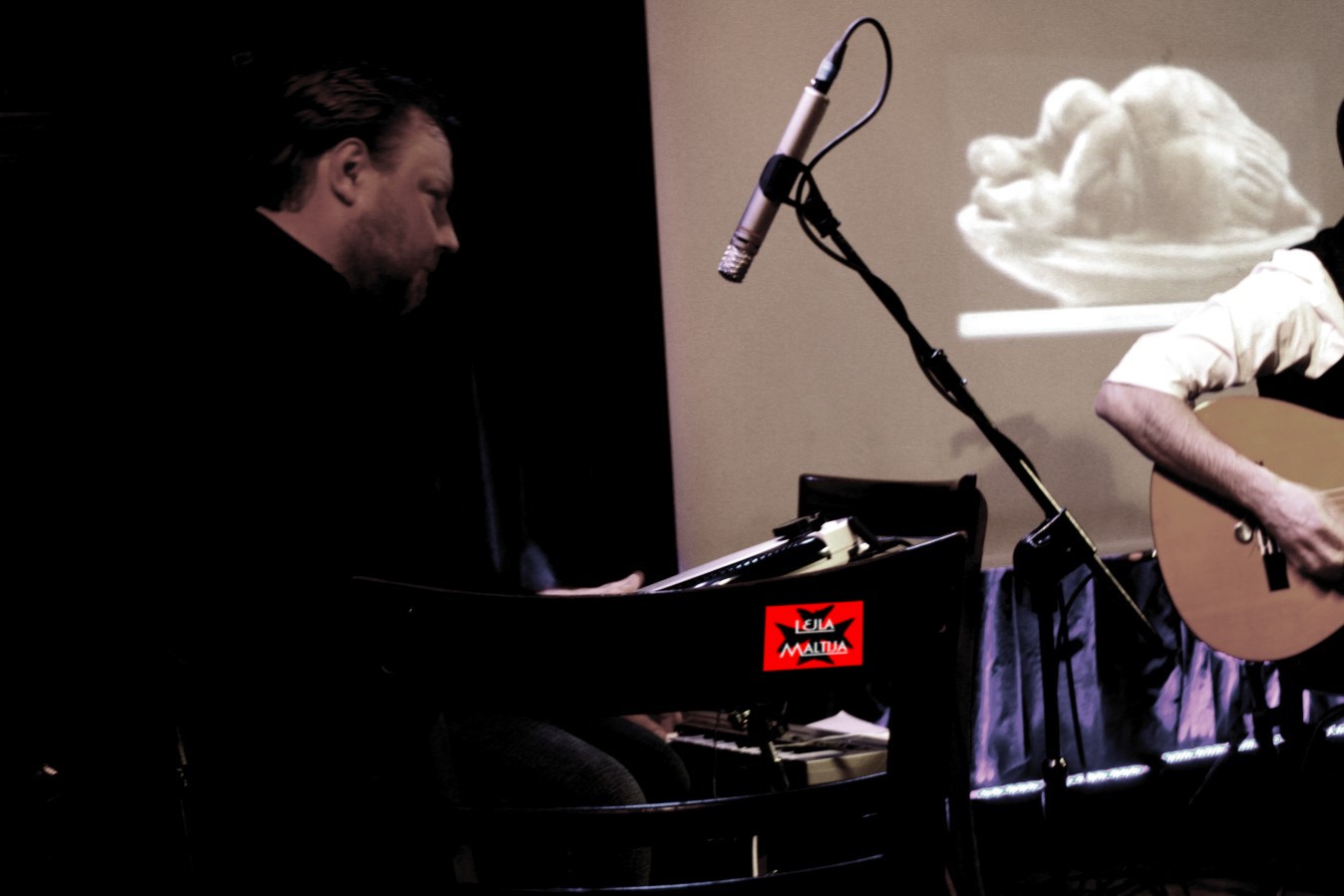
Lejla Maltija Il-Bidu
Lejla Maltija powered by Mario Cordina has burst into life
with a premier concert of original music, folklore, visuals, information
and food from Mario's native island Malta. Performed live at Rocker
club in Szczecin, it has proved to be a success and who knows where they
will go from here.
The music concept is to combine Maltese folklore and musical themes into different genres, give it a more contemporary feel to attract today's audiences. The lyrical content is about Malta's past. legends, customs, folklore, especially about traditions lost or dying out. Together with the visuals chosen, this is an attempt to educate and demonstrate that Malta has more than just beaches and sun to offer foreigners. A proud declaration from an island nation from a Maltese citizen abroad.
Lejla Maltija is: Mario Cordina on vocals and guitars, 'Hose' Jacek Lesiak on bass, 'Roderigo' Krzysztof Baranowski on keys and percussion, 'Manwel' Matek Mater (Mateusz Lazar) on guitars.
Check out more photos at Lejla Maltija Photos at Rocker Club
Another Anidroc Production.
Subscribe to:
Posts (Atom)